10 Undisputed Reasons People Hate Treadmill Electric Motor


Understanding the Treadmill Electric Motor
The motor is the most crucial component of any treadmill. The motor converts energy from your outlet into movement that moves the belt.
When shopping, knowing the motor specifications is essential to finding the right treadmill for your fitness goals. This article covers key variables such as continuous duty and peak duty power rating system warranties, durability, warranty and maintenance tips.
How a motor works
The motor is the main component of every treadmill. It moves the belt to allow you to walk, run or jog. It's also the main part of the machine and plays a significant part in its performance and durability. To make an informed decision, it is essential to understand the way a motor functions.
There are two primary kinds of treadmill motors: DC and AC. Each has their own distinct advantages and disadvantages, but they function in a similar way. DC motors are used in a variety of applications such as robotics and electric vehicles. They are strong, durable, efficient and easy to control. electric treadmills for home are used in fitness equipment for commercial use such as treadmills. They are more expensive but have better performance and longer life spans than DC motors.
Treadmills are available in different dimensions and specifications, based on the needs of the individual user. The factors that determine this include the size of the motor and the power output, noise level, and the cost. There are even manual treadmills which don't require any motor at all and are powered by the user's feet.
Motor size is among the most frequently used terms in treadmill shopping, but it isn't always easy to comprehend what exactly it means. A motor's size is based on how much power it can generate at its peak. This figure is often referred to as horsepower (HP), which is a unit of power that reflects the amount of energy it is able to produce.
The speed of a treadmill's motor can be controlled in various ways, such as using variable resistors or a pulse width modulation controller. The pulse width modulation controller controls the amount of current flowing to the treadmill motor, which alters the speed. These controls are found on most treadmills, but they are not as common in gyms that are home-based.
No matter if you're a casual walker or a serious runner, you need to know the operation of a treadmill motor before making a decision. Knowing what each component does will allow you to avoid purchasing an unreliable treadmill.
Motor size
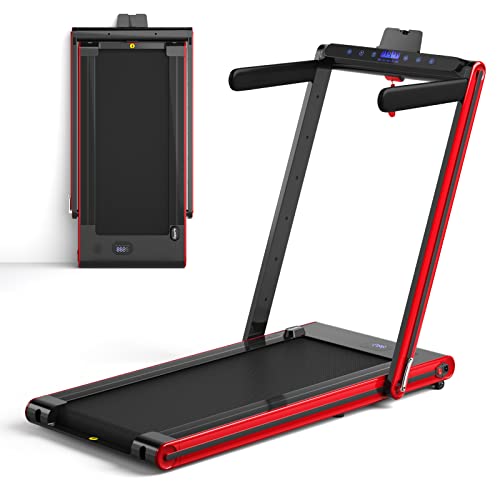
When you're in the market for a new treadmill the size of the motor could be a confusing aspect of the specifications. While bigger is always better however, it's important to understand what the horsepower spec actually refers to for your fitness needs.
One of the most commonly-repeated misunderstandings is that people assume the peak horsepower (PHP) rating of treadmills is the same as the quality of the treadmill. This isn't the case since the treadmill's maximum horsepower can only last for a brief time before the motor wears out. A more precise measurement is continuous horsepower (CHP) which is how much power a treadmill's motor can create indefinitely without deteriorating.
The motor's RPM is an additional important feature. This is the number of revolutions a motor will achieve per minute. This gives an indication of the motor's power and ability to drive the belt with ease. Low RPM ratings may cause disruptions in the belt speed, which can affect the treadmill experience.
There are two kinds of treadmill motors: DC and AC. While DC motors are usually employed in fitness equipment for home use, AC motors are often used in commercial gyms and are more suited to high-use environments. DC motors operate by using direct current electricity to create a magnetic field, which interacts with the permanent magnets within the motor to produce motion.
If you're in search of a more durable treadmill motor, you should to go with an AC motor. AC motors are able to withstand repeated use and are more robust. AC motors are also less likely to overheat than DC motors. If you're on an extremely tight budget you can find high-quality treadmills with motors that are still affordable and will meet your needs.
Motor Warranty
If you're looking for a new treadmill ensure you check the warranty on the motor. A good treadmill motor will have a warranty of at least 10 years. A longer warranty period indicates a motor of higher quality that is less likely to fail over time. It's also important that various treadmill manufacturers offer different warranties for their treadmills. Check out the brands before buying.
The motor is the engine that drives the treadmill belt that keeps you moving, walking, or jogging. A higher quality motor will last longer than a less durable one, but all treadmills require regular maintenance and cleaning to keep the motor in good working condition. The most frequent maintenance tasks are lubrication and vacuuming. Utilizing a surge protector on your treadmill is also advised to lower the chance of electroshock.
While the motor of your treadmill is vital for your workout, having a reliable treadmill warranty can help you avoid costly repairs in the future. The majority of treadmills come with a standard warranty, but you can also buy an extended or a lifetime warranty to give you assurance. These warranties typically include the motor, parts and labor, but they do not cover taxes, shipping and installation fees.
When you're looking to purchase a new treadmill, it is important to know if the motor has a continuous duty or peak duty rating. Continuous-duty motors are designed to operate at a steady speed without overheating. This type of motor is usually preferred for use at home as it is quieter and requires less energy than a treadmill that is designed for peak-duty use. The size of a treadmill motor can determine if it's designed for continuous duty. The smaller the motor is, the more it is designed for continuous duty.
A treadmill motor rated as peak-duty is designed to run at a maximum speed for 15 minutes before it gets overheated. It's similar to a sprinter that runs at their peak performance for a brief period before slowing down. Multimeters are used to determine the treadmill's maximum duty rating. A zero reading indicates the motor is shorted, whereas the high reading indicates an open motor.
Maintenance of motors
As with all products the motor of a treadmill will eventually deteriorate. However, following a regular maintenance schedule and observing warning signs can extend the life of your machine. These include overheating, odd noises, burning smells, malfunctioning speed and incline controls and sparks. These warnings should be considered seriously and taken action on immediately.
Treadmill maintenance for motors may seem intimidating at first but it's actually quite simple. Start by unplugging the treadmill and removing the motor cover. Then you can use a multimeter to test the motor for electrical problems. You should also be able to get rid of any hair, dust, or debris that has built up inside of the motor. This will ensure that the motor is operating efficiently and won't suffer from premature deterioration.
You can repair your treadmill after you've identified the issue. If you're not sure about the repairs, seek out a local treadmill repair specialist. Local service providers can provide fast and efficient service to reduce the time you spend without your treadmill. They will also be able to provide solutions that are specific to your specific location.
You may have to replace your treadmill in the event that your treadmill is not getting the power needed to work properly. This can be done by purchasing a new motor and installing it. Be sure to adhere to the manufacturer's directions and refer to the owner's manual for troubleshooting tips. Also, remember to disconnect the treadmill when not in use, and think about purchasing surge protectors to safeguard it from power surges. If you're not using your treadmill as often as you should be you might want to consider an elastic belt clip to stop it from stretching out. This will prevent the motor from wear out by making sure that the belt is not too tight or loose. It is also important to make sure to lubricate the deck on a regular basis to keep it in good shape. In the end, it's a good idea to purchase a second motor in case the original one fails.